



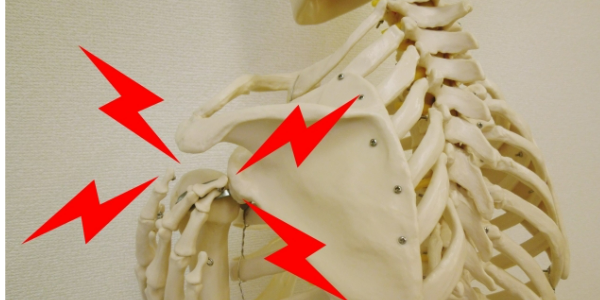
What Is Frozen Shoulder?
It is a condition that usually appears suddenly in middle age,
causing shoulder pain and difficulty moving the arm.
Frozen shoulder is considered a syndrome, meaning that it is diagnosed when other clear causes
such as rotator cuff tears or calcific tendinitis are excluded.

Causes
With aging, the bones, cartilage, ligaments, and tendons that make up the shoulder joint gradually change.
As a result, inflammation can occur around the joint.
In addition, when joint fluid decreases or tissues around the joint adhere to each other,
shoulder movement becomes even more restricted.
Shoulder pain may also be caused by other conditions such as
long head of the biceps tendinitis, calcific tendinitis, or rotator cuff tears.
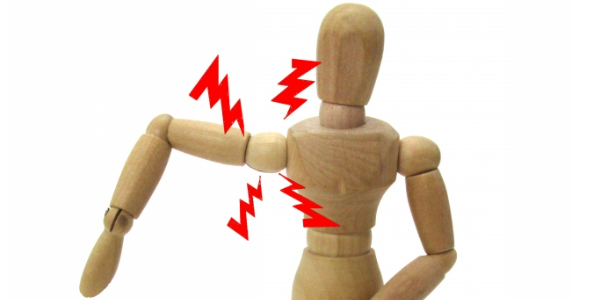
Symptoms
Frozen shoulder often causes strong shoulder pain at rest or at night.
Pain may worsen during daily activities such as brushing hair or tying clothing,
and shoulder movement becomes significantly limited.
The condition typically progresses through three stages:
- Acute stage – severe pain
- Chronic stage – pain occurs mainly when moving
- Recovery stage – pain decreases, but limited range of motion may remain
If not treated appropriately at the right time, symptoms may become prolonged.
Sleep disturbance and stress caused by pain can also negatively affect overall health.
Advice
1. Keep the Shoulder Warm
Cooling the shoulder can increase pain and prolong recovery.
Be especially careful in cold weather, and also in summer when air conditioning is used frequently.
Wearing a light cardigan or extra layer is recommended.
2. Avoid Accumulating Stress
Continuous mental tension caused by stress can reduce blood circulation in the shoulder.
Frozen shoulder is said to occur more easily when stress builds up.
Even after symptoms appear, try to avoid excessive stress as much as possible.

Exercise
① Shoulder Up-and-Down Exercise
Stand with your back straight.
While inhaling, raise your shoulders; while exhaling, slowly lower them.
Tip: Focus on gently drawing your shoulder blades inward toward your back.
② Arm Lifting Exercise
Extend your arms forward.
Slowly raise them over 5 seconds, then slowly lower them over 5 seconds.
If pain occurs during the movement, raise your arms only slightly,
then lower them slowly without forcing.
③ Arm Rotation Exercise
Extend your arms and rotate them in large circular motions.
Alternate between outward and inward rotations.
If pain is strong, bend your elbows and make smaller circles.
●Contact Us
Your message has been sent
