



Low back pain & acupuncture
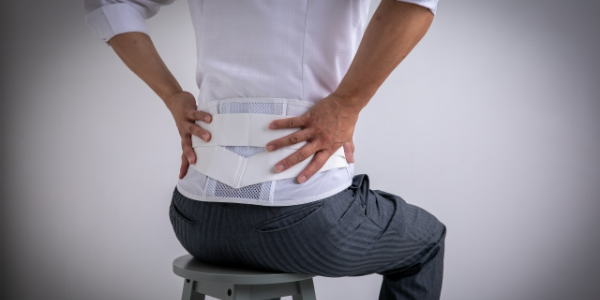
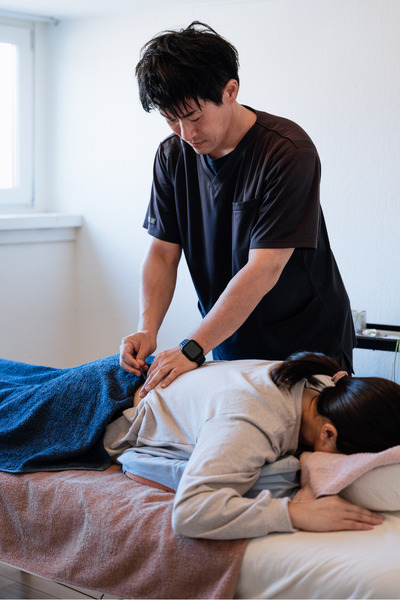
Acupuncture can be effective for low back pain when the cause is properly identified and treated.
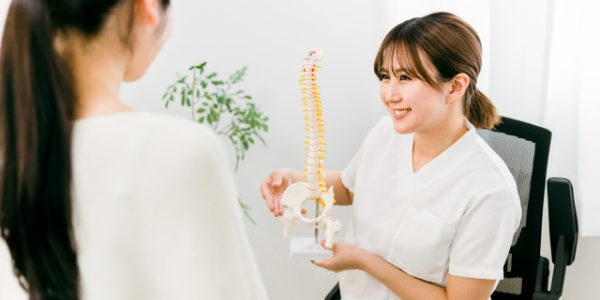
At our clinic, we carefully assess low back pain through physical examination, medical interviews, and anatomical evaluation, classifying it into types such as muscular, disc-related, or joint-related pain.
Based on each patient’s condition, medical history, and lifestyle, we provide individualized acupuncture treatment and practical lifestyle guidance.
What is low back pain?
ThThe lower back supports body weight and is heavily stressed during daily movements such as bending and lifting, making it especially prone to injury. About 80% of people experience low back pain at least once in their lifetime.
Low back pain is a general term for pain felt in the lower back area, including the spine and surrounding muscles. Its causes vary and are broadly classified into several categories, such as orthopedic conditions (spine, joints, muscles), internal organ–related pain, neurological disorders, vascular issues, and psychological factors.
The most common type of low back pain is caused by orthopedic conditions, which are suitable for acupuncture treatment.
However, if low back pain is accompanied by severe or persistent symptoms—such as pain at rest, difficulty sleeping, fever, or neurological symptoms—immediate medical evaluation at a specialized facility is strongly recommended.
●Types and Causes of Low Back Pain

Acute low back pain
Symptoms
Non-specific low back pain refers to pain in the lower back without identifiable abnormalities on X-ray imaging and without evidence of internal organ disease.
It commonly presents as sharp pain during movements such as bending forward or standing up suddenly.
Causes
It is more likely to occur when maintaining the same posture for a long time, continuing to work in an awkward position, twisting the body carelessly, or lifting heavy objects while bending at the waist.
Discogenic Low Back Pain
Symptoms
A dull, heavy discomfort appears around the lower back.
This condition is often seen in people who have been told by a medical specialist, based on X-ray findings, that the space between the vertebrae has become narrower.
Causes
With aging, intervertebral discs gradually harden and may wear down or change in structure.
These changes can reduce stability in the lower back, placing ongoing strain on supporting muscles and leading to chronic pain.
腰椎椎間板ヘルニア
Symptoms
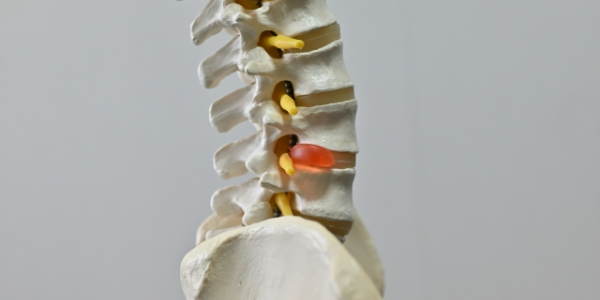
Pain and numbness may radiate from the lower back down to the legs, often accompanied by muscle weakness.
In severe cases, the pain becomes so intense that standing upright is difficult without bending forward.
Causes
A tear in the intervertebral disc allows the central nucleus pulposus to protrude, compressing nearby nerves and causing pain.
Lumbar Spinal Canal Stenosis
Symptoms
In addition to lower back pain, numbness in the legs gradually develops while standing or walking.
Pain may spread through the entire leg, making it difficult or impossible to continue walking.
However, when the body is bent forward and a short rest is taken, these symptoms often ease, allowing walking to resume.
This characteristic pattern is called intermittent claudication.
In some cases, urinary problems may also occur.
Causes
As part of the natural aging process, repeated weight-bearing and movement place stress on the lumbar spine.
Over time, changes such as disc bulging, bone spur formation, joint enlargement, and thickening of ligaments can narrow the spinal canal and compress the nerves inside.
When standing or walking, this nerve compression often increases. Reduced blood flow to the nerves may then occur, leading to leg numbness, weakness, or a heavy feeling in the legs.
In addition to this condition, other orthopedic causes of low back pain include spinal instability (spondylolysis or spondylolisthesis), degenerative lumbar spine changes, and sciatica.
●Advice for Low Back Pain
Low back pain often develops when the muscles and joints around the spine are placed under repeated stress.
Maintaining good posture, avoiding prolonged sitting or standing, and keeping the lower back warm can help reduce strain.
Gentle movement, such as walking or light stretching, improves blood circulation and supports recovery.
However, if pain persists, worsens, or is accompanied by numbness, weakness, or urinary problems, professional medical evaluation is recommended.
-
Is There a Season When Chronic Low Back Pain Worsens?
-
Sudden drops in temperature require special attention, as they can place extra stress on the body.
We recommend receiving acupuncture treatment before the temperature changes, or preparing your body with gentle morning exercises to help you move comfortably throughout the day.
-
Will chronic lower back pain ever go away?
-
Chronic lower back pain often tends to recur every six months to one year.
By using acupuncture as a preventive treatment, it is possible to extend the time between flare-ups and reduce how often the pain returns.
With repeated preventive care, many patients gradually experience fewer episodes, and in some cases, lower back pain may eventually stop recurring.
-
Should I stay in bed when I have lower back pain?
-
Except in cases of severe pain, we recommend continuing your daily activities as normally as possible, even if you have lower back pain.
However, heavy lifting and forced or excessive movements should be avoided.
-
How long should I wear a back brace (corset)?
-
Please remove the back brace once your lower back pain has improved.
While a brace is effective during periods of pain, it should not be worn when pain is absent, as prolonged use may lead to muscle weakness.

